
Aruba may be a small island in the Caribbean, but it is part of a much larger story that began when Christopher Columbus stumbled upon these parts of the world. Today, approximately 87% of Aruba’s economy depends on tourism. A key component of modern tourism marketing is storytelling. An opportunity for digging more into the Aruba history. Driven by a growing demand for authentic experiences from tourists, visitors, and travelers. But it’s not just visitors seeking authenticity—locals are also searching for a deeper connection to their identity based on the Aruba history, which is often rooted in Aruba’s relatively unknown yet rich history and cultural heritage.
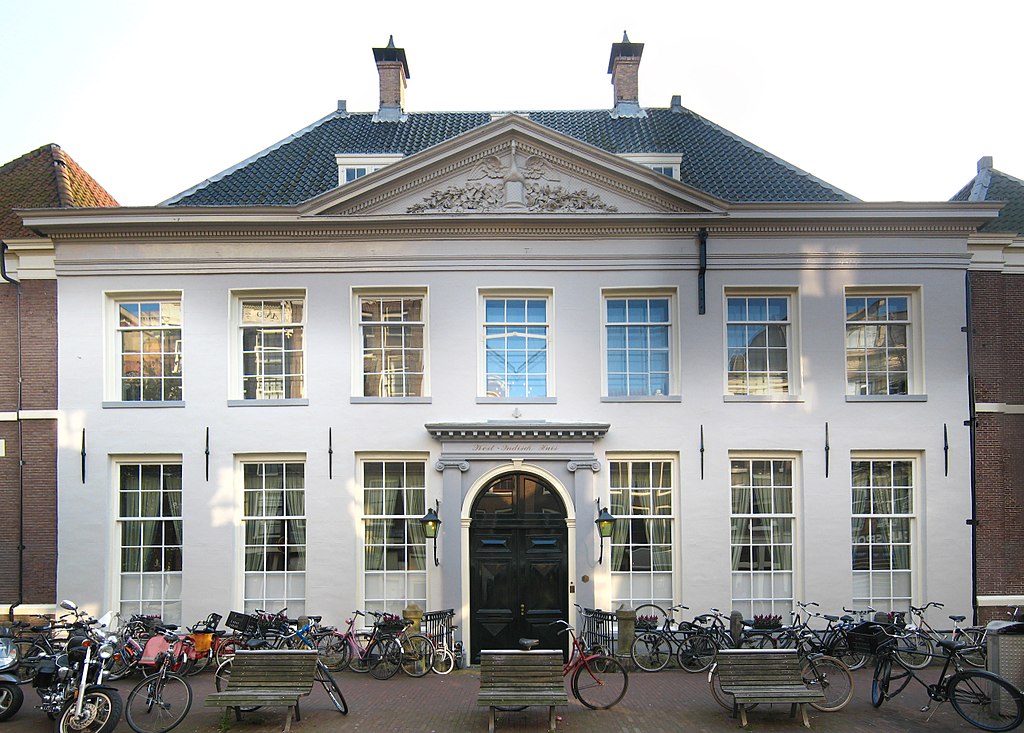
So, what shaped Aruba into the diverse melting pot of nationalities, cultures, religions, and traditions that it is today? Why is the standard of living on the island relatively high compared to the rest of the region? Has it always been this way? My research reveals that Aruba has endured its fair share of challenges, including famine, poverty, and economic stagnation. Yet, I believe that the people who lived and worked on Aruba from the late 1600s onward laid the foundation for what we now recognize as the true roots of modern Aruba.
In the upcoming chapters, I’ll dive deep into the period between 1639 and 1791, when Aruba was under the control of the Dutch West India Company (WIC). This era played a crucial role in shaping the island, and it wasn’t until December 31, 1791, that Aruba officially became a colony of “The Netherlands.” There’s much more to uncover about this significant period in Aruba’s history.