The Aruba history goes a bit dark after the WIC conquered it from the Spanish. There is not a lot of documentation. Curaçao was the main island housing the senior leadership. Not much happened on Aruba, and I think that it is for this reason, plus the fact that there were no noteworthy leaders or commanders on the island, that not much has been documented. It isn’t till around the 1700’s that we get to find out more again on what actually happened on Aruba. The following is what I have managed to find out. I will update in case I find out more.
Contrary to popular belief, the islands became property of the WIC and not colonies of the Netherlands. The WIC even prohibited colonisation by individuals. The islands became sort of “farms” for the WIC. The local Arawaks were “persuaded” to work while small garrisons of WIC officers and soldiers defended the islands. It was not even allowed for their wives to join them on the islands.
This debunks an important assumption in Aruban history — that the Dutch colonised us and that our Dutch Caribbean development or heritage started here. Initially, the presence of the WIC did not influence the population and culture much on Aruba.
Johannes van Walbeeck and the conquest
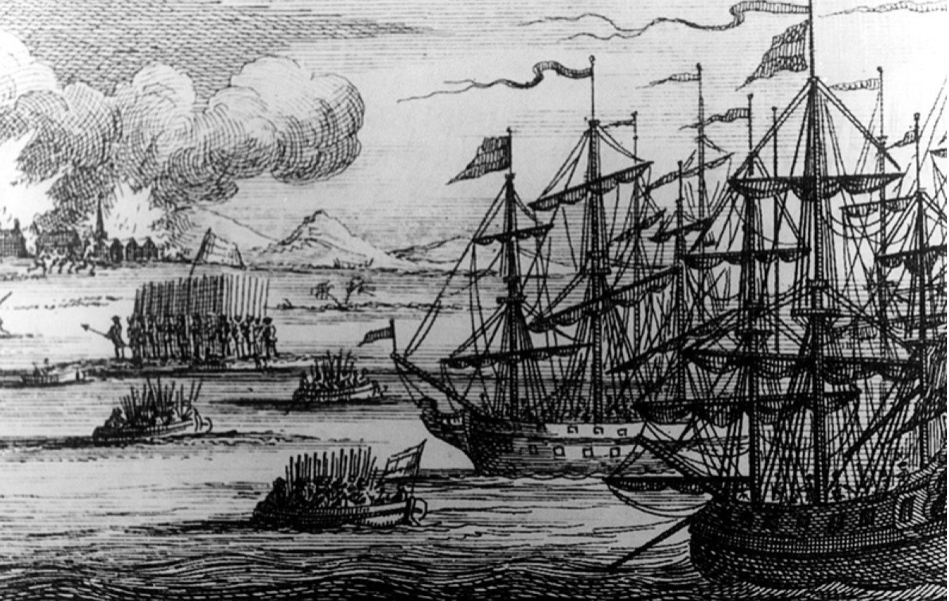
It was not until 1634 that the WIC decided to make a serious attempt to conquer Curaçao from the Spaniards. Aruba soon followed in 1636. This was all led by Johannes van Walbeeck. The conquest happened without fierce battles or dramatic events. It happened so swiftly and quietly that the Spaniards did not realise they had lost the islands.
Proof of this is the fact that it was not until almost 100 years later that the then Spanish ambassador to the Dutch Republic, Vizconde de Herreria, asked for an official status of specifically Aruba. The Dutch replied that they did not understand the fuss — Aruba had been theirs for a long time already. The original letter still exists in the archives of Simancas, Spain.
Life on Aruba under the WIC (1634–1700)
The population of Aruba during this period consisted of Arawak Indians that had emigrated from the mainland, and a few Europeans employed by the WIC. Aruba was used as an experimental ranch for breeding goats and horses. The WIC started breeding horses on Aruba that they would export — though the export endeavour was not very successful.
There is a report of a ship called “De Eyckenboom” that transported 20 slaves from Curaçao and 50 horses from Aruba to New Amsterdam. Unfortunately half of the horses perished during the journey and the rest arrived too weak to even stand on their own feet. The original documentation — a letter from Governor Peter Stuyvesant dated June 25, 1660 — still exists. Four years after the journey of De Eyckenboom, the British captured New Amsterdam from the Dutch and changed the name to New York.
Continue reading Aruba’s history:
← Previous: Chapter 4 – How We Became Dutch (1590–1623) | Next: Chapter 6 – The Quiet Years (1639–1700) →